Engineered Moisture & Relative Humidity Control
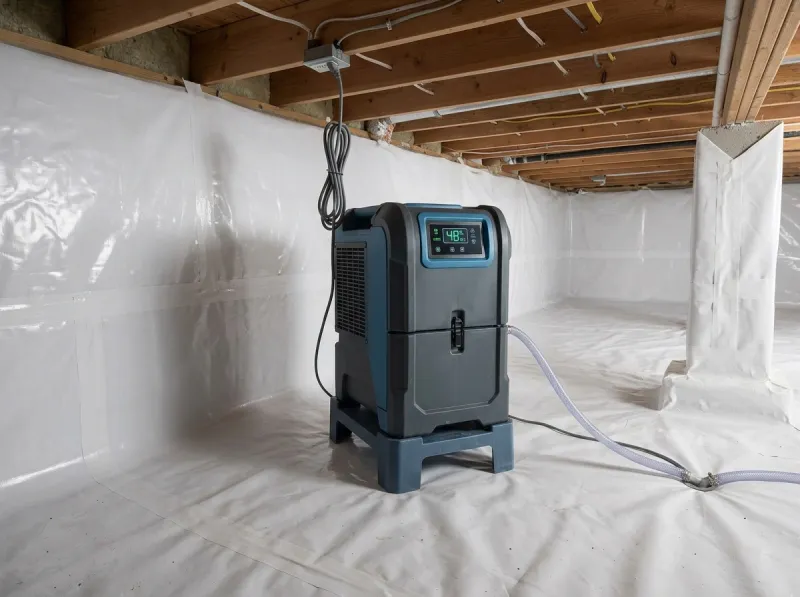
Protect your foundation, subfloor timbers, and lower levels from excessive dampness with commercial-grade crawl space dehumidification and environmental conditioning.
Energy-efficient units designed specifically for cool, low-temperature spaces.
Gravity drain lines or condensate pumps discharging moisture directly outside.
Sealing thermal air leaks where foundation walls meet exterior wooden sill plates.
Comprehensive Physical Examination
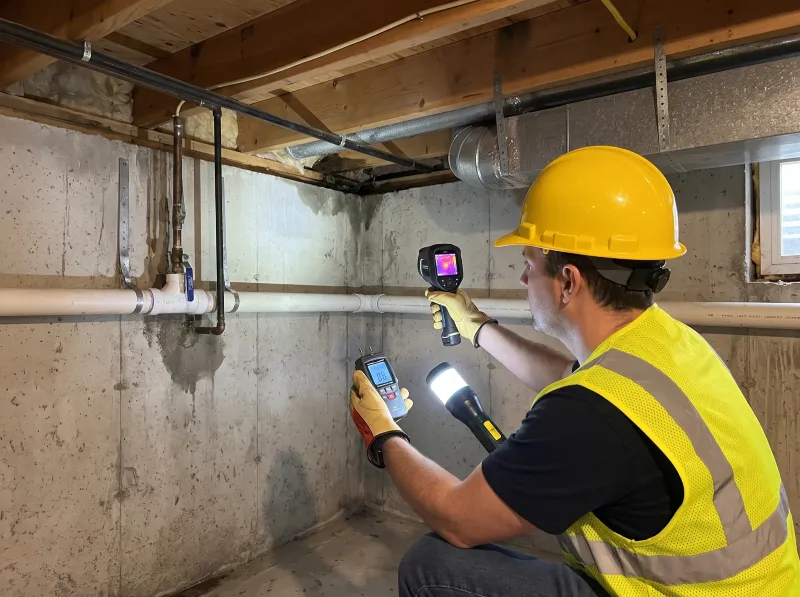
Our team inspects ground grade, moisture levels, concrete porousness, and structural beam integrity directly.
Managing Lower-Level Humidity Across Ontario's Changing Seasons
Ontario experiences significant seasonal shifts, ranging from sub-zero winter temperatures to humid summer heatwaves. Unconditioned crawl spaces and basements absorb this ambient moisture, causing relative humidity levels to exceed 70%—the threshold where wood fibers soften and musty odors flourish.
Foundation Shield installs dedicated, low-temperature dehumidification systems and thermal air-sealing solutions that actively maintain healthy moisture levels (below 55% relative humidity) year-round without requiring manual water bucket emptying.
Common Warning Signs
How an Assessment Works
- 1Digital hygrometer and thermal camera readings of humidity and surface temperatures.
- 2Inspection of rim joists, sill plates, and crawl space ventilation openings.
- 3Calculation of cubic footage to size appropriate dehumidifier capacity.
- 4Planning safe, freeze-resistant condensate drainage routes.
Understanding Root Causes & Property Care
Every home reacts differently to seasonal temperature changes, ground saturation, and soil shifts. Here is what Ontario homeowners should know.
Common Causes
Stack Effect Air Infiltration
Warm air escaping upper stories drawing damp crawl space air upward through floor penetrations.
Summer Condensation
Humid outdoor air entering cooler below-grade spaces and condensing on cold surfaces.
Unsealed Earth Floors
Continuous capillary moisture evaporation from subterranean soil.
Potential Risks If Unaddressed
- Accelerated rot in structural floor joists and wooden girder beams
- Corrosion of HVAC ducting, plumbing lines, and mechanical fasteners
- Higher seasonal air conditioning cooling costs due to muggy air
- Uncomfortable, clammy conditions in main-floor living spaces
Practical Next Steps
- Monitor your crawl space or basement relative humidity with a basic digital hygrometer.
- Avoid using standard residential plastic dehumidifiers that freeze up in cool spaces.
- Schedule a professional assessment to evaluate air sealing and dedicated conditioning.
Available Across Ontario
Related Home Protection Services
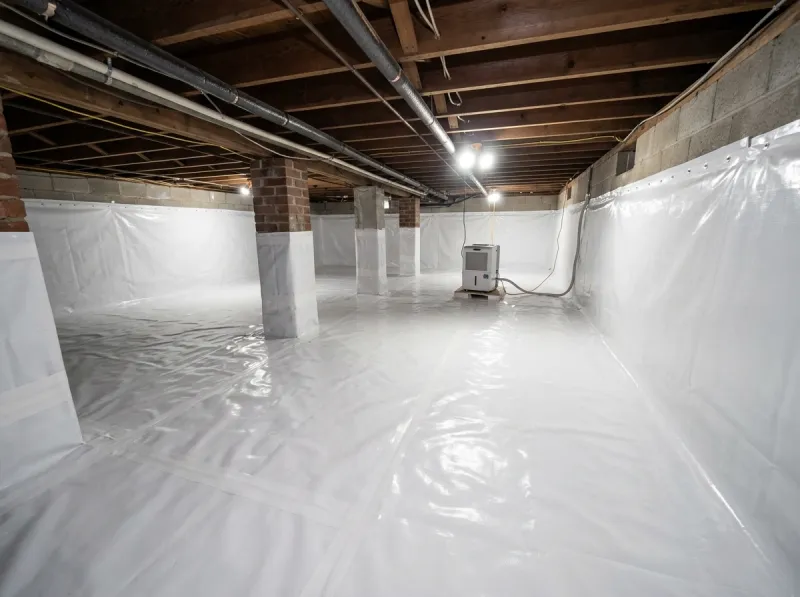
Crawl Space Encapsulation
Heavy-duty vapor barriers sealing the ground so dehumidifiers operate efficiently.
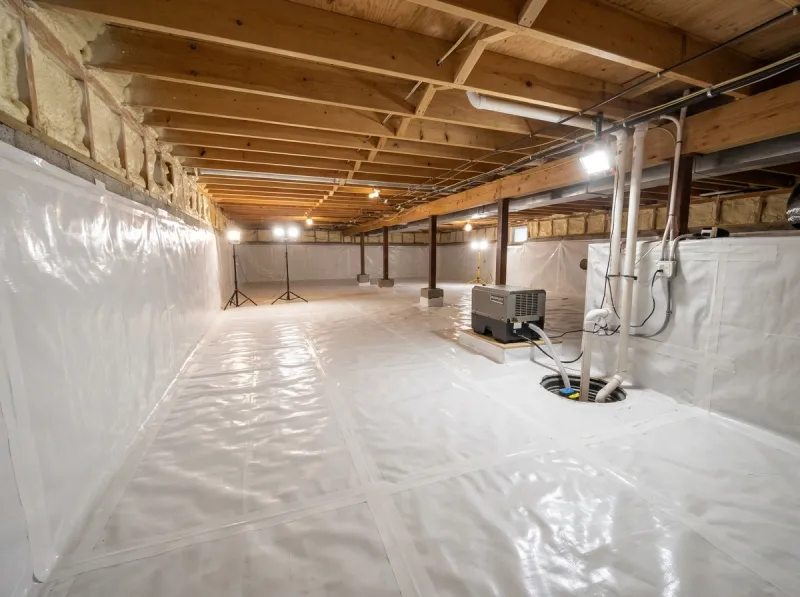
Crawl Space Solutions
Full crawl space remediation, drainage, and structural adjustments.
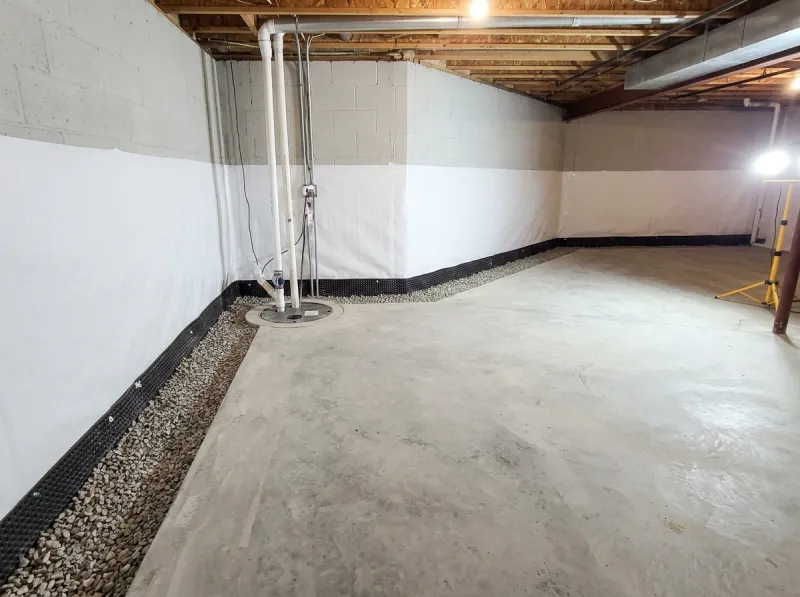
Basement Waterproofing
Sub-floor drainage and wall waterproofing systems.
Frequently Asked Questions About Moisture & Humidity Control
Ten specific questions to help you understand procedures, requirements, and outcomes.
Ready to Explore Moisture & Humidity Control?
Schedule an assessment with Foundation Shield to evaluate your property's specific condition and discuss tailored options.