Engineered Basement Waterproofing for Ontario Homes
Protect your foundation walls, eliminate hydrostatic groundwater seepage, and maintain a dry subterranean perimeter through proven drainage channels and pumping solutions.
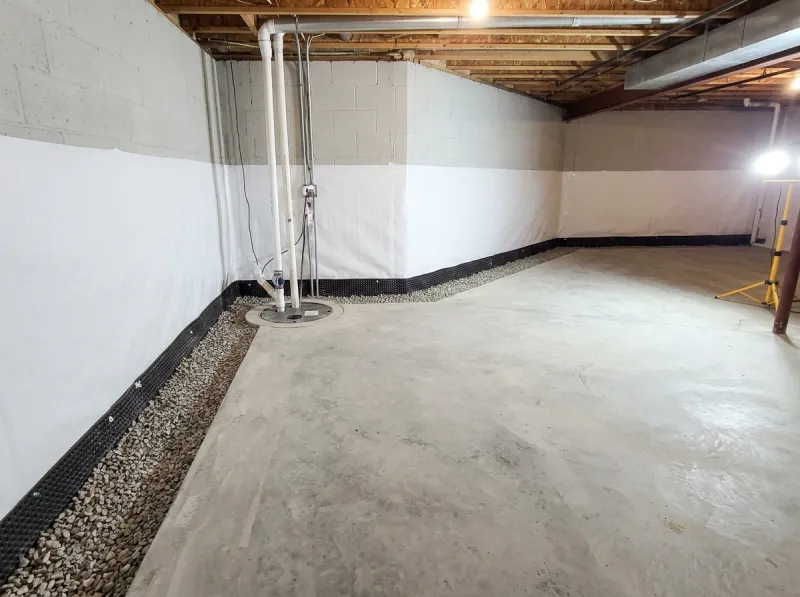
Perforated pipe channels intercepting water beneath concrete floor slabs.
Dimpled wall membranes channeling wall leaks directly into weeping tiles.
High-volume cast-iron sump pumps with check valves and battery redundancy.
Comprehensive Physical Examination
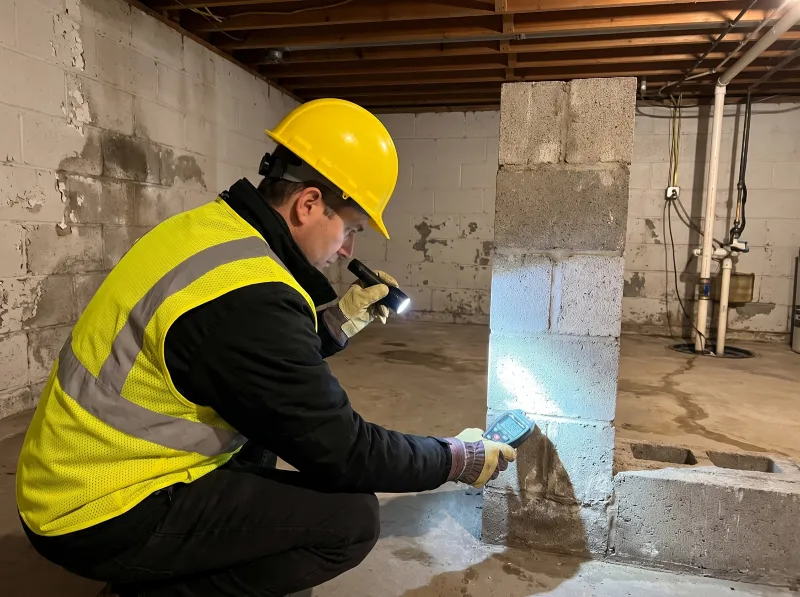
Our team inspects ground grade, moisture levels, concrete porousness, and structural beam integrity directly.
Comprehensive Waterproofing for Concrete & Block Foundations
Ontario's seasonal precipitation and heavy spring thaw generate intense hydrostatic pressure against basement floors and perimeter walls. When water gathers along footing trenches, porous poured concrete and hollow mortar block joints allow moisture to seep inward.
Foundation Shield approaches basement waterproofing by relieving pressure at the footing level. We intercept groundwater before it reaches your living or storage areas, channeling flow to high-efficiency sump systems and discharging it safely away from the home.
Common Warning Signs
How an Assessment Works
- 1Visual evaluation of exterior grading, downspout extensions, and window wells.
- 2Inspection of interior wall surfaces, mortar joints, and slab cold joints.
- 3Testing existing sump pump operation, discharge piping, and electrical circuits.
- 4Developing a tailored scope of work balancing interior drainage and wall vapor barriers.
Understanding Root Causes & Property Care
Every home reacts differently to seasonal temperature changes, ground saturation, and soil shifts. Here is what Ontario homeowners should know.
Common Causes
Hydrostatic Pressure
Saturated soil surrounding foundation walls pushing water through microscopic pores and footing joints.
Failed Exterior Weeping Tile
Older clay tiles crushed, clogged with sediment, or disconnected over decades of service.
Settlement & Shrinkage Cracks
Natural curing and ground movements creating pathways through poured concrete walls.
Potential Risks If Unaddressed
- Damp insulation and framing decay inside finished drywall partitions
- Rusting of furnace cabinets, water heaters, and structural steel lally columns
- Elevated ambient humidity spreading into upper-story living rooms
- Weakening of mortar joints in concrete block foundations
Practical Next Steps
- Ensure exterior downspout extensions discharge water at least six feet from perimeter walls.
- Clear leaves and organic debris from basement window wells and area drains.
- Schedule an on-site assessment to diagnose whether seepage is wall-borne or footing-borne.
Available Across Ontario
Related Home Protection Services
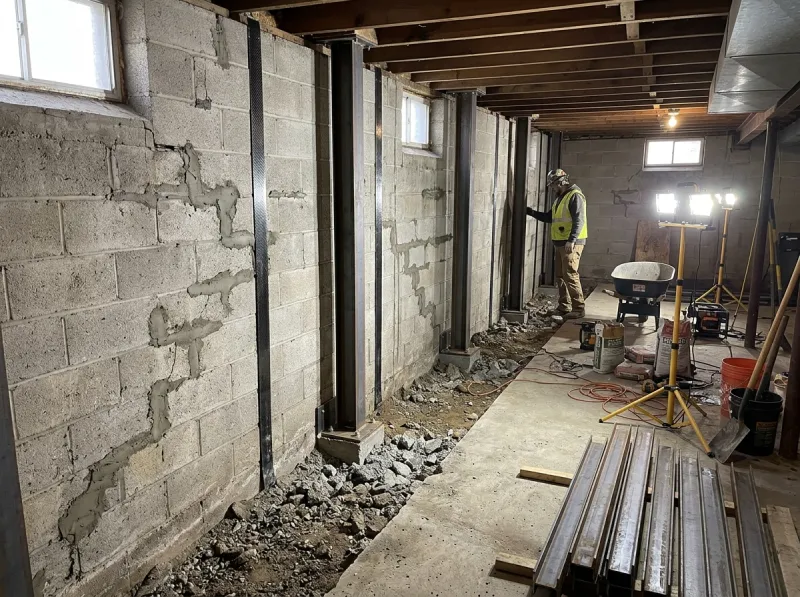
Foundation Repair
Structural wall stabilization, carbon fiber reinforcement, and epoxy crack injection.
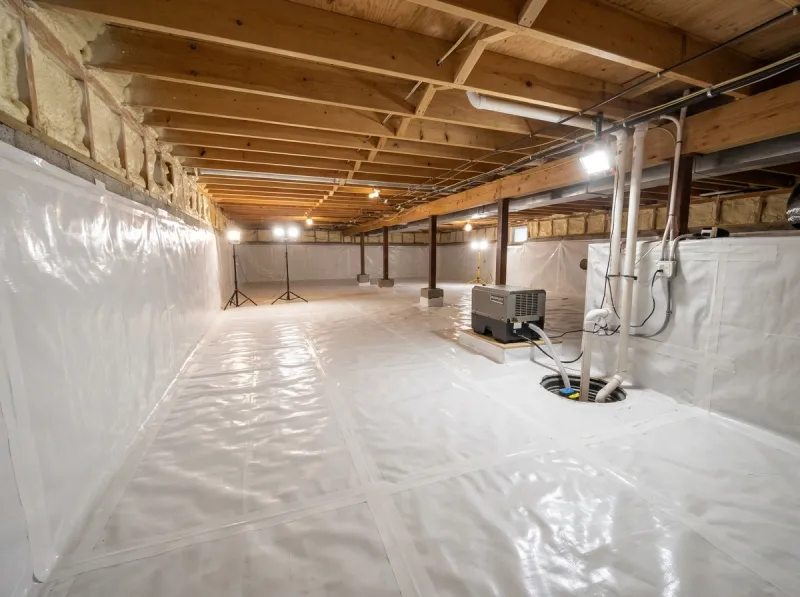
Crawl Space Solutions
Full encapsulation, vapor barriers, and moisture management for crawl spaces.
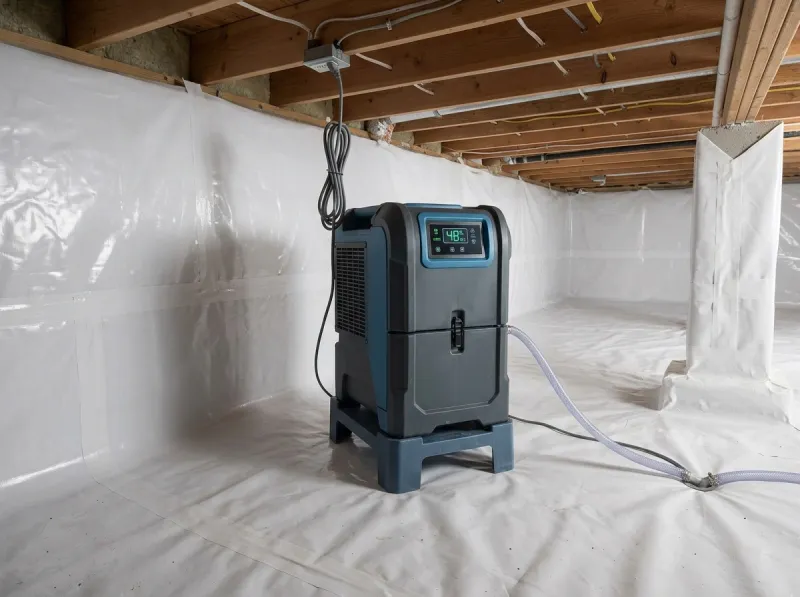
Moisture & Humidity Control
High-capacity commercial-grade dehumidification and ventilation systems.
Frequently Asked Questions About Basement Waterproofing
Ten specific questions to help you understand procedures, requirements, and outcomes.
Ready to Explore Basement Waterproofing?
Schedule an assessment with Foundation Shield to evaluate your property's specific condition and discuss tailored options.